June 18, 2026
When heavy rain is in the forecast, most homeowners start paying closer attention to their property. A passing shower is one thing, but days of steady rainfall can put real pressure on a home’s exterior, drainage, and foundation. Water has a way of finding weak spots, and even small maintenance issues can become much more noticeable when rain starts falling consistently. That is why preparing ahead of time can make such a big difference.
The good news is that getting ready for rainy weather does not have to feel complicated. A few thoughtful steps can help protect your home, reduce stress, and prevent small concerns from turning into expensive repairs. With regular upkeep and a little planning, homeowners can feel more confident when stormy weather rolls in and know their property is ready for the season ahead.
Inspecting the Roofing and Exterior
Your roof handles the first wave of every storm, so it deserves close attention before peak rain arrives. Take time to look for missing shingles, lifted edges, worn flashing, or visible signs of wear around vents and rooflines. Even small trouble spots can allow moisture to work its way in over time, especially during days of repeated rainfall. Catching those issues early can save time and money later.
The exterior of the home matters just as much. Walk around the property and inspect siding, trim, and areas where materials meet. Rain often finds entry points through loose seams or cracks that are easy to miss during dry weather. A quick inspection now can help prevent water damage from building up where it is least expected.
It also helps to pay attention to areas that have had repairs in the past. Older patched sections may need another look before rain becomes more intense. A little extra attention here often adds peace of mind when storm clouds move in.
Clearing the Gutters and Downspouts
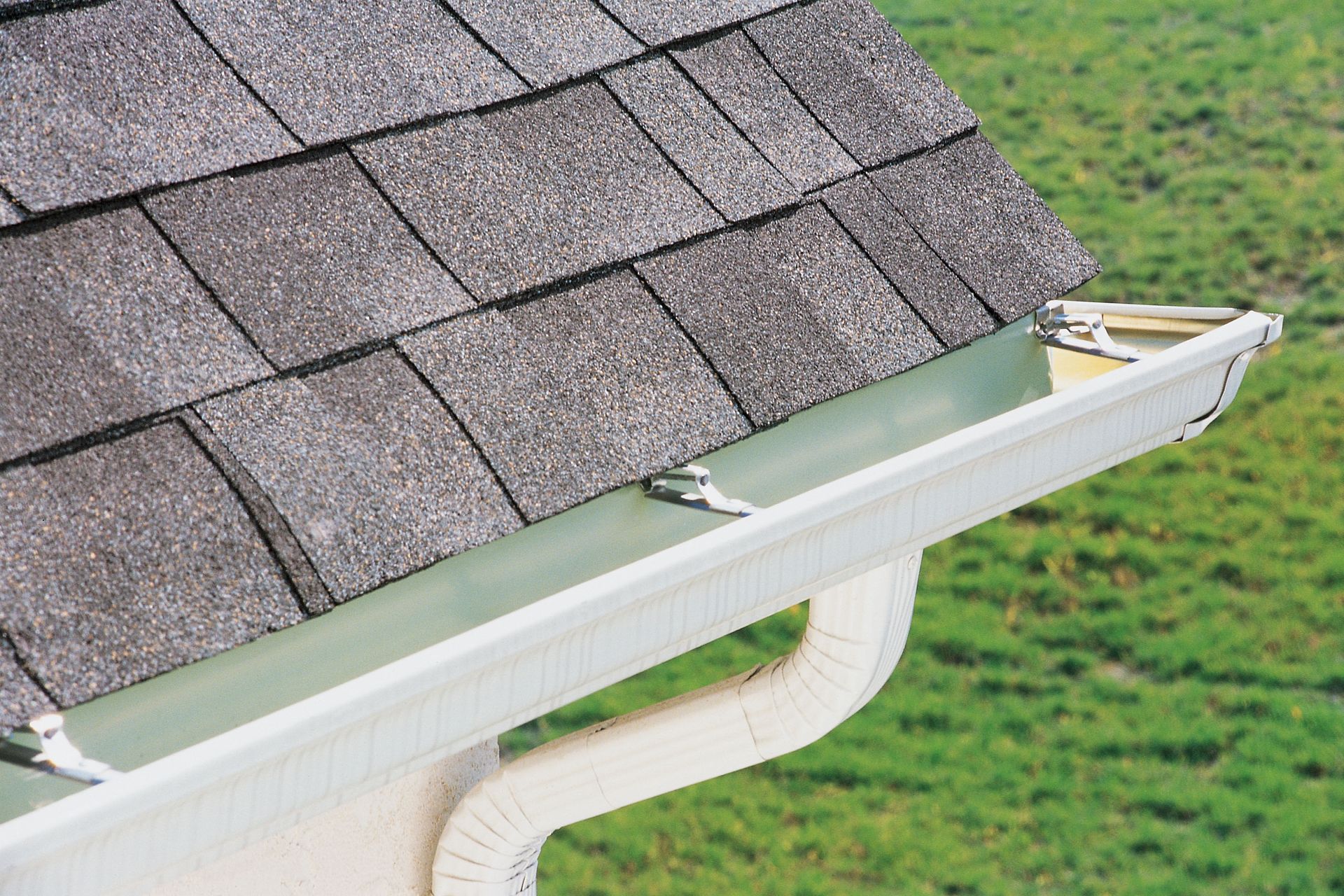
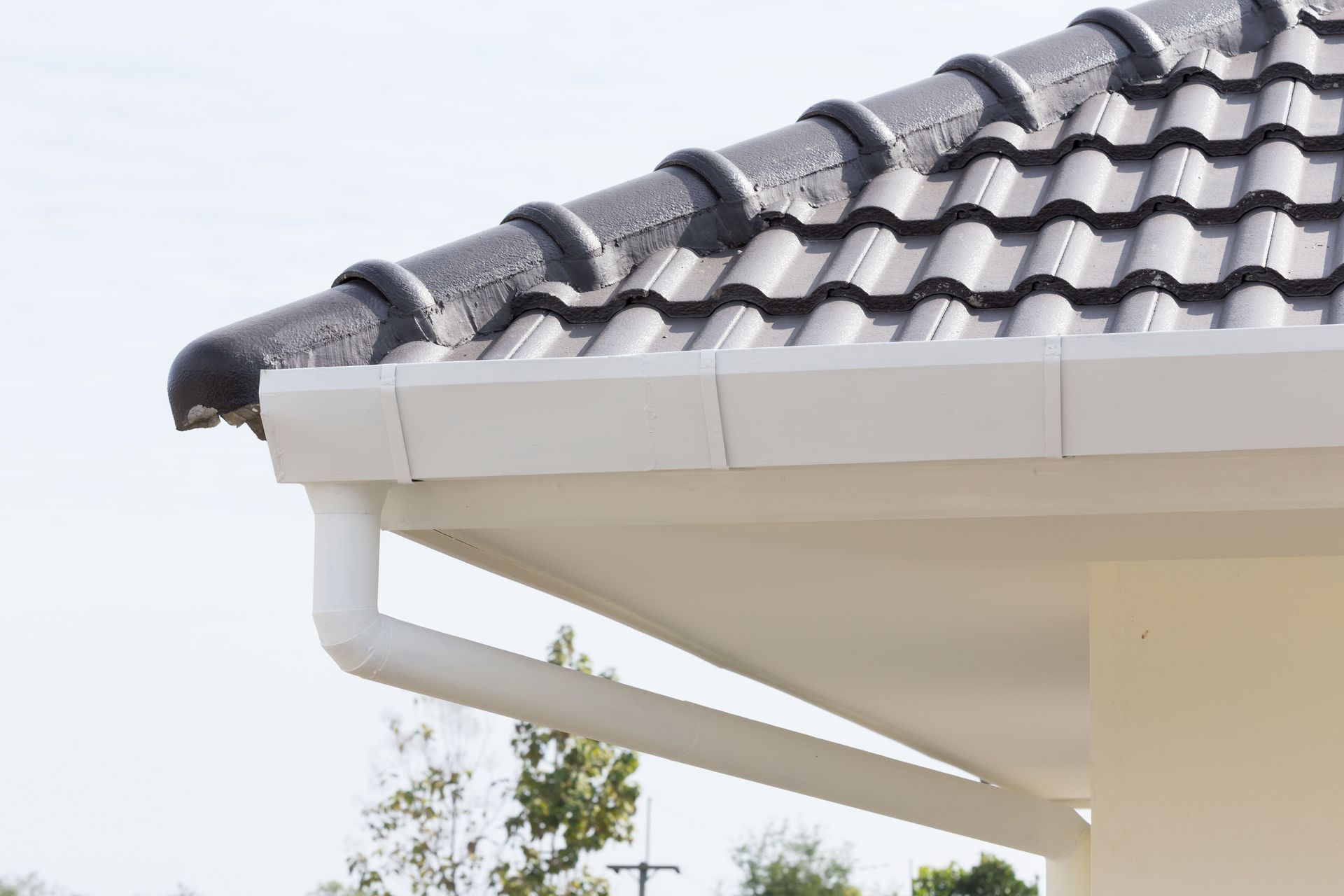
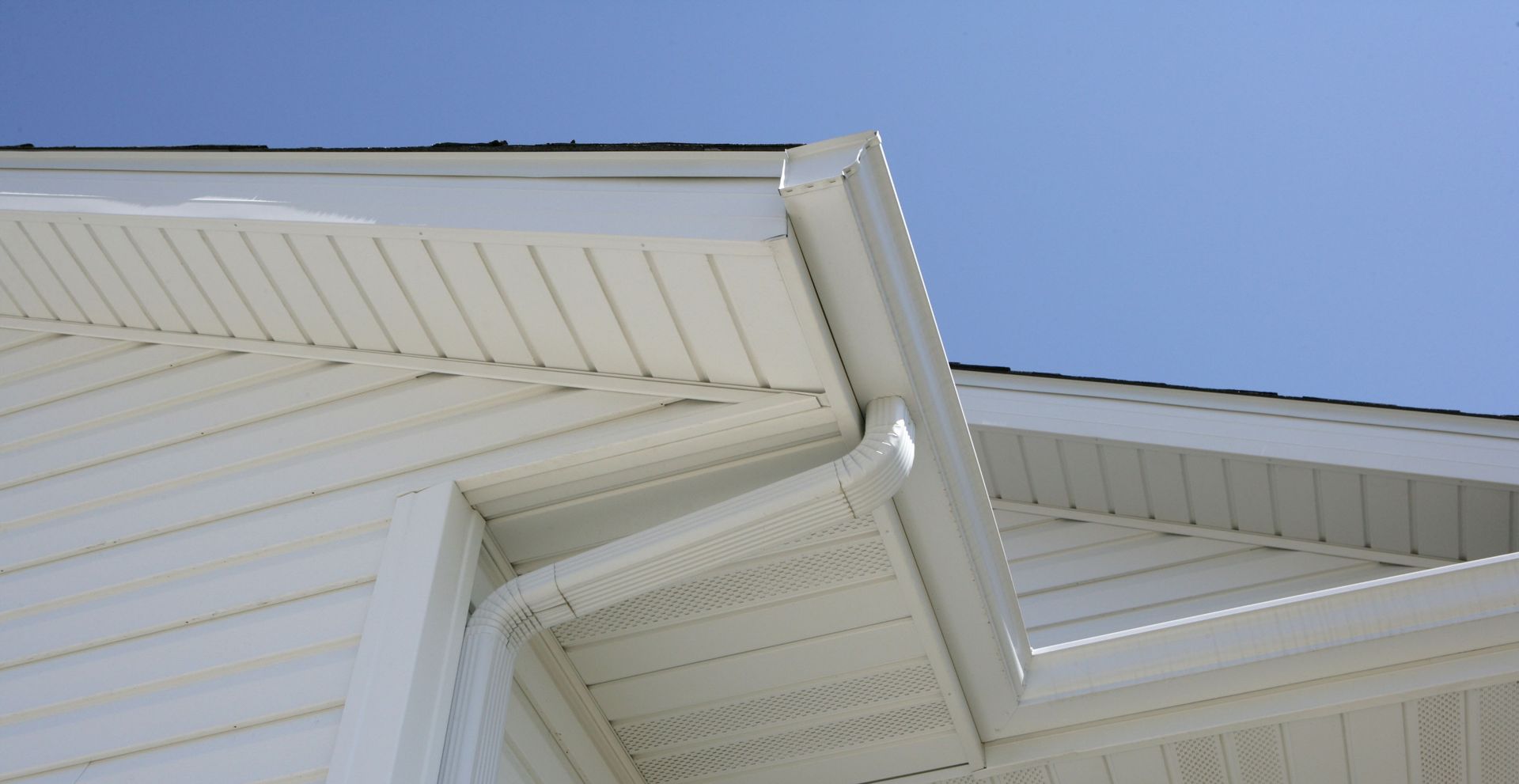
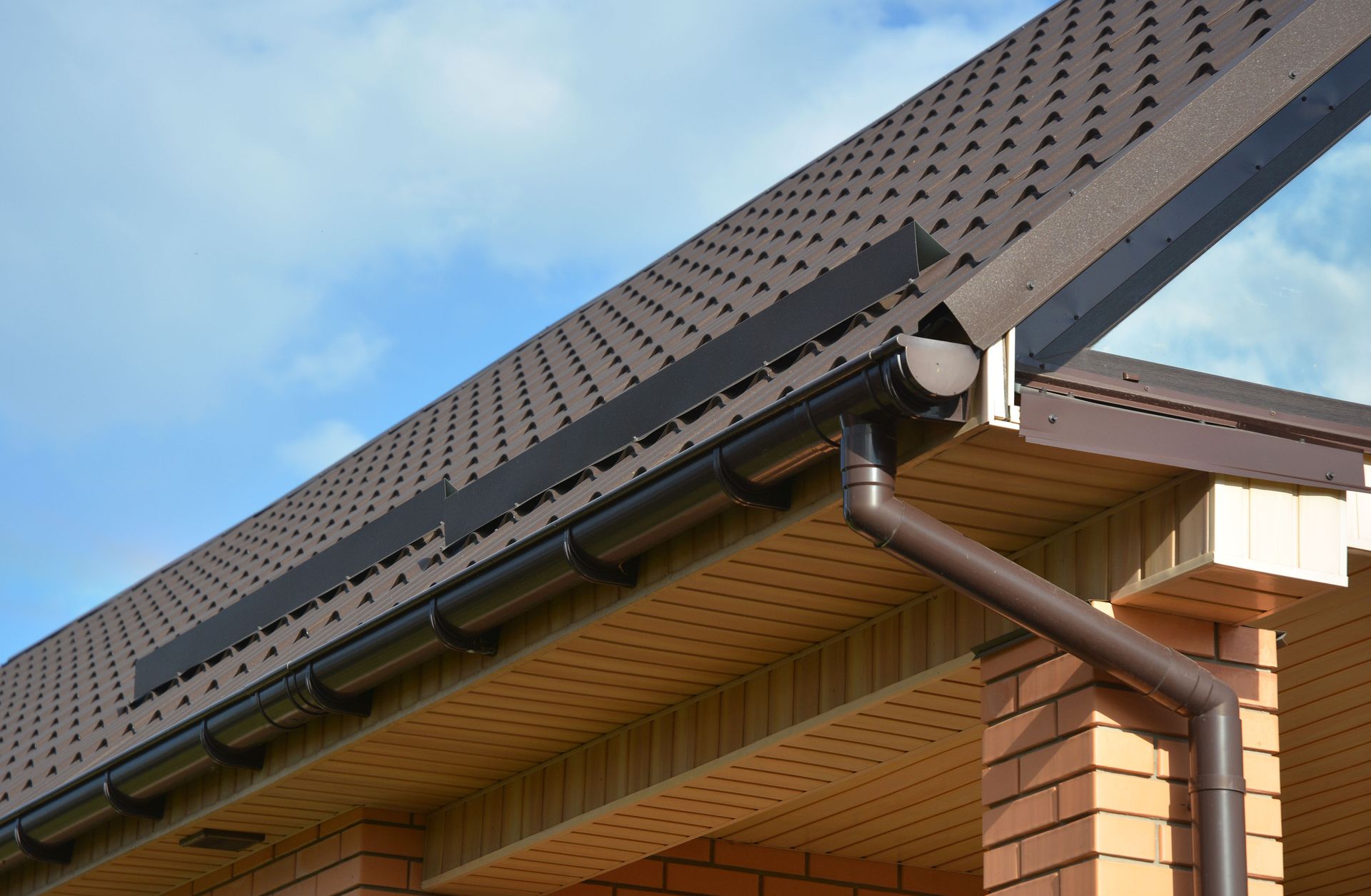
One of the most important ways to prepare for heavy rain is keeping gutters clean and flowing properly. Leaves, twigs, dirt, and roof debris can collect faster than expected and create blockages that interrupt drainage. When gutters cannot move water efficiently, overflow can spill against siding or collect near the foundation, which increases the chance of damage.
According to The Spruce, a practical way to stay ahead of buildup is by cleaning gutters twice a year, usually during spring and again in fall. That schedule helps clear seasonal debris before it becomes a larger issue during rainy periods. Staying consistent with maintenance can make the drainage system much more dependable when storms become heavier.
Downspouts deserve the same level of attention. Water should move away from the home and not settle near the base of the structure. When gutters and downspouts are working together the way they should, rainwater has a clear path away from the property, which helps protect both the exterior and the foundation.
Some homeowners also consider guards or screens to reduce buildup. While they do not replace maintenance completely, they can help minimize debris and make seasonal cleaning easier.
Strengthening the Drainage and Grading
A home’s drainage system does not stop at the roofline. The ground around the property also plays a major role during peak rain. If water gathers near the house instead of draining outward, it can slowly wear on the foundation and create long-term moisture concerns.
A simple walk around the yard can reveal a lot. Watch for low spots where puddles tend to form or areas where soil has shifted. Those places often need attention before repeated rain turns them into larger drainage problems.
Grading the landscape so water slopes away from the home can improve runoff significantly. It does not always require a major project. In some cases, adding soil or reshaping certain sections creates a noticeable improvement.
Extending downspouts farther from the home also helps. When gutters direct water outward and the landscape supports proper drainage, the property is better prepared to handle heavy rainfall with fewer issues.
Sealing the Windows and Openings
Rain has a way of reaching places homeowners do not always think about. Window frames, door edges, vents, and seams around exterior materials can all become entry points when rain combines with strong wind. These smaller openings may seem minor, but they can allow moisture in over time.
Check caulking around windows and doors for cracks or gaps. If weather stripping looks worn or loose, replacing it can help keep moisture outside where it belongs. These updates are usually manageable and can make a meaningful difference during long periods of rain.
Pay attention to utility openings too. Areas around vents, pipes, or exterior fixtures should feel sealed and secure. Water entering through a small gap may not be obvious right away, but repeated exposure can create damage behind walls or around trim.
Taking time to seal these areas helps improve comfort indoors while also reducing the chance of unexpected leaks.
Trimming the Trees and Landscaping
Outdoor maintenance can play a bigger role in rain preparation than many people expect. Trees and landscaping affect drainage, roof safety, and how moisture moves around the home during storms.
Overhanging branches should be trimmed before they become a problem. Wet limbs can grow heavier and may scrape the roof or break during strong weather. Removing weak or overextended branches can help reduce the risk of damage.
Landscaping near the home also deserves attention. Dense shrubs or planting beds placed too close to the foundation may trap moisture longer than intended. That can lead to soggy soil and added pressure near the structure.
Keeping landscaping maintained and open allows water to move more freely. It also makes it easier to spot drainage concerns quickly. A tidy yard often supports a stronger overall defense during rainy weather.
Checking the Basement and Foundation
Basements and foundations often reveal water concerns first. Even homes without a history of leaks benefit from checking these spaces before rainy seasons become more active. A quick review now can help avoid bigger surprises later.
Look for visible cracks, discoloration, or damp areas along foundation walls and flooring. A musty smell may also point to moisture buildup that deserves attention. These smaller warning signs often become more noticeable after heavy rain.
If your home has a sump pump, test it before peak rain begins. Making sure equipment is working properly ahead of time is much easier than discovering a problem during a storm.
Walk around the exterior foundation as well. Soil erosion or pooling water near the home may suggest drainage needs improvement. Addressing concerns early can protect both the structure and the interior from avoidable water damage.
Monitoring the Forecast and Preparing
Sometimes the most helpful step is simply staying aware of the weather. Keeping an eye on upcoming forecasts allows homeowners to plan ahead and finish outdoor maintenance before rain begins. It also helps create a simple seasonal routine. Clearing debris, checking gutters, walking the yard, and reviewing drainage before storms arrive feels easier than rushing at the last minute. Small tasks spread out over time often feel more manageable. Preparation also builds confidence. Instead of wondering how the home will hold up during several days of rain, homeowners can feel more prepared knowing the important areas have already been checked.
Peak rain is part of every season in many places, and no home is completely immune to weather. Still, regular maintenance and thoughtful preparation go a long way toward preventing unnecessary damage. By paying attention to drainage, sealing vulnerable areas, and keeping gutters flowing properly, homeowners can protect their property and feel more comfortable when rain arrives. For dependable support protecting your home through wet weather and every season ahead, contact Affordable Gutter Care, Inc.